






Pure Darjeeling Loose Tea | Tea Bag

Darjeeling Black Tea

Regular price ₹332
Sale price ₹332 Regular price ₹499
Unit price
Save 33%
MRP (Incl. of all taxes)

Description:
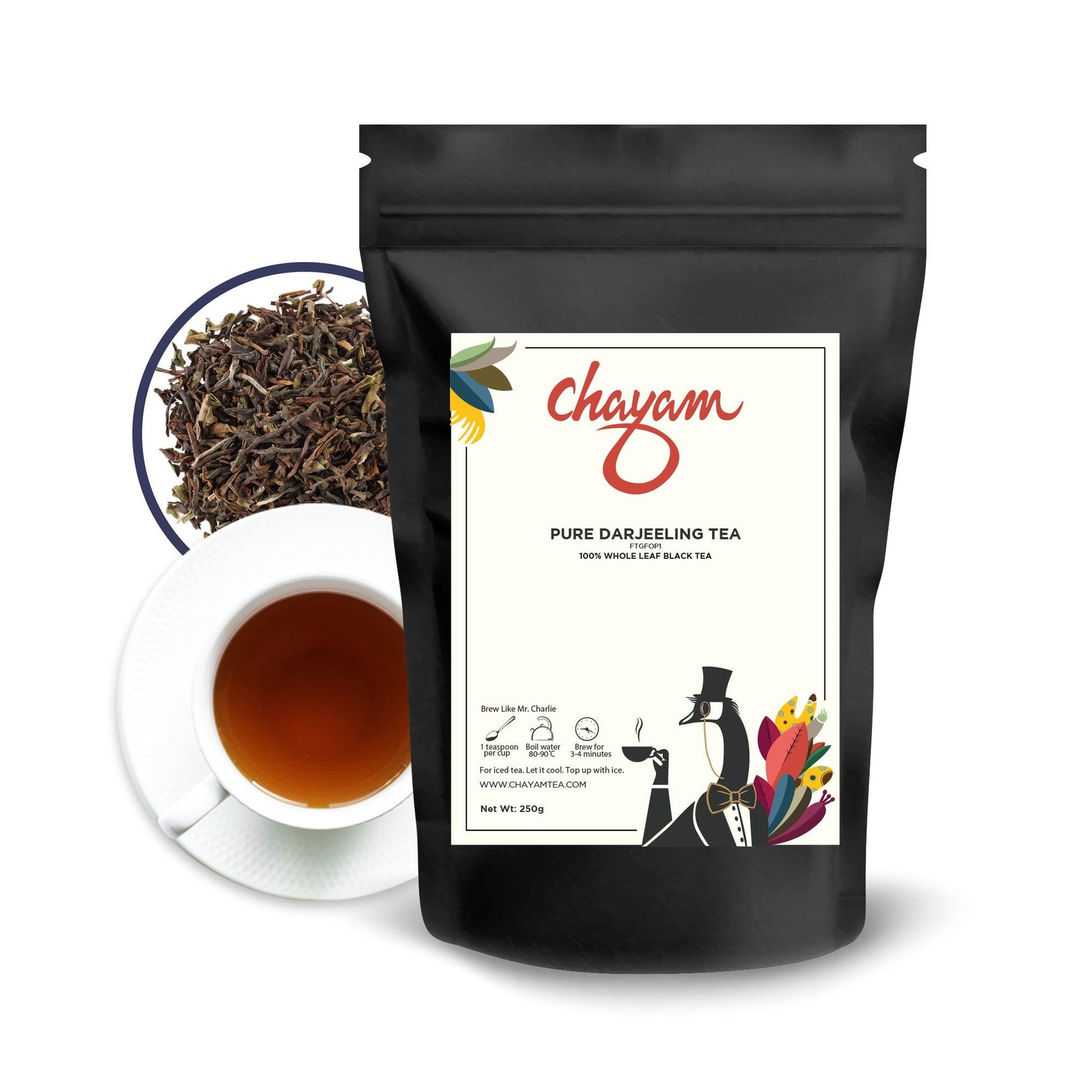
Enjoy the premium taste of Pure Darjeeling Loose Tea, expertly packaged in a convenient pouch. Savor its rich, fruity notes and muscatel flavor for a delightful, nature-inspired tea experience.


Tea Type:
Loose Black Tea
Flavour: Pure Darjeeling Tea
Ingredients: Darjeeling Whole Leaf
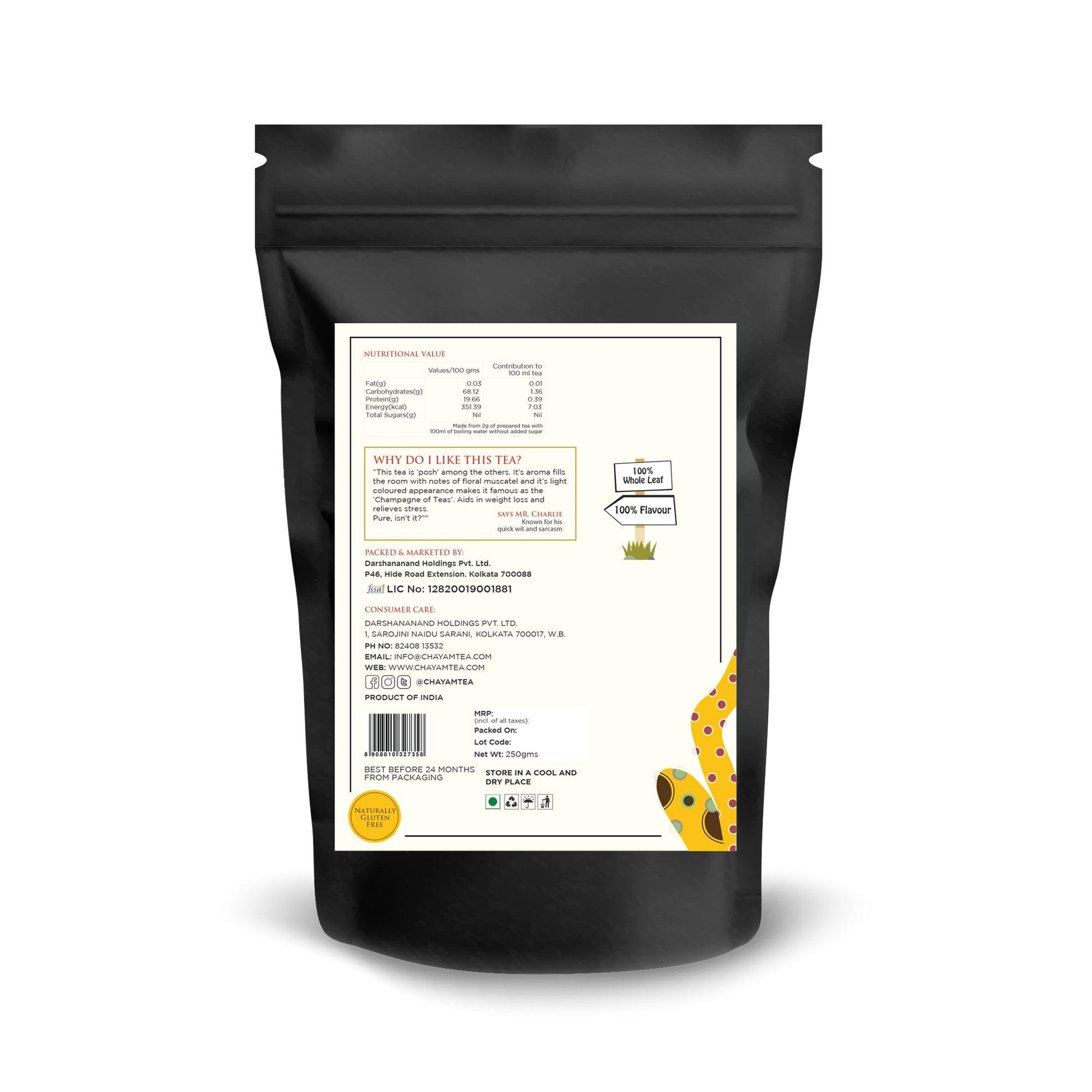
Storage Instructions: Store in a cool, dry place away from direct sunlight.
Product Packaging: Freshness Lock Zipper Pouch

No Artificial Flavour

Cruelty Free

Organic Ingredient
Share on
Pure Darjeeling Loose Tea | Tea Bag

Darjeeling Black Tea

Frequently Asked Questions

What is Darjeeling tea and why is it called the Champagne of Teas?

Darjeeling tea is a black tea grown exclusively in the Darjeeling and Kalimpong districts of West Bengal, India — one of the only teas in the world with a registered geographical indication, meaning it can only be called Darjeeling if it genuinely comes from those specific estates. It earned the "Champagne of Teas" nickname because of its extraordinarily complex, delicate flavour — particularly the muscatel character, a natural grape-like, floral note that develops due to the unique combination of high altitude, cool mist, and the Chinese tea bush variety grown there. No other region in the world produces tea with this specific character.

What does Chayam's Pure Darjeeling tea taste like?

Delicate, floral, and brisk with a distinctive muscatel quality — a natural grape-like sweetness and complexity that is unmistakably Darjeeling. The liquor brews a clear golden amber and the aroma alone is noticeably more refined and aromatic than standard black teas. There is a gentle astringency on the finish that gives it structure without harshness. It is one of the most nuanced and elegant teas available — a tea for people who appreciate subtlety over boldness. Chayam uses whole-leaf Darjeeling tea in transparent pyramid bags so the quality of the leaf is visible before brewing.

What are the health benefits of Darjeeling tea?

Darjeeling black tea is rich in polyphenols — theaflavins and thearubigins — that support cardiovascular health, gut health through prebiotic effects on beneficial bacteria, and immune function. The moderate caffeine combined with L-theanine produces a calm, focused mental state without the jitteriness of coffee. Regular black tea consumption is associated with improved cholesterol levels, reduced inflammation, and better metabolic health. The high-altitude growing conditions and minimal processing of orthodox Darjeeling leaves preserve a higher polyphenol content than most mass-market black teas.

What is the muscatel flavour in Darjeeling tea?

Muscatel is the signature characteristic of great Darjeeling tea — a natural grape-like, slightly floral flavour note that develops due to a specific combination of factors unique to the region. At high altitude, the cool nights slow leaf growth, concentrating flavour compounds. The Chinese Camellia sinensis var. The sinensis bush variety grown in Darjeeling produces a lighter, more complex leaf than the Assam variety. The second flush harvest — picked in May and June — is particularly prized for its pronounced muscatel character. When you taste a well-made Darjeeling and notice a distinctive fruity, floral complexity, that is the muscatel.

Should I drink Darjeeling tea with milk?

No — Darjeeling is one of the few black teas best enjoyed without milk. The delicate muscatel and floral character that makes Darjeeling special is easily overwhelmed by milk, which masks the very quality that distinguishes it from ordinary black tea. Drink it plain or with a small amount of honey if you want a touch of sweetness. This is different from Assam or masala chai, where milk is traditional and appropriate — Darjeeling's refinement is in the cup on its own.

Does Darjeeling tea contain caffeine?

Yes, a moderate amount — roughly 30 to 50mg per cup, lower than Assam black tea and significantly lower than coffee. The L-theanine present in the tea moderates the caffeine effect, producing sustained calm focus rather than a sharp spike. People with significant caffeine sensitivity should limit consumption to one cup per day and avoid drinking it after 3pm. For those avoiding caffeine entirely, Chayam's herbal range — chamomile, hibiscus, fenugreek, ginger lemongrass — offers caffeine-free alternatives.

When is the best time to drink Darjeeling tea?

Mid-morning is the classic time — after breakfast when the palate is fresh and the delicate flavour can be fully appreciated. Afternoon tea — the 3 to 4pm slot — is another natural home for Darjeeling, where its refinement and lightness make it ideal alongside light food. It also works beautifully in the evening for those who are not caffeine-sensitive, as its calm, focused effect is gentler than Assam or coffee. Because of its delicacy it is best enjoyed when you can give it proper attention — this is not a tea for drinking while distracted.

Is Pure Darjeeling tea good for gifting?

It is one of the most universally respected tea gifts in India — Darjeeling's reputation as the champagne of teas means it carries an inherent prestige that makes it appropriate for any occasion where quality matters. The 20 pyramid bag box is elegantly packaged and immediately recognisable as premium. It works particularly well for tea connoisseurs, for people who appreciate quality over quantity, and for gifting to older recipients who may have grown up with a reverence for Darjeeling. Available in 20, 40, and 60 bag quantities, it scales from a personal gift to a generous hamper component.

Recently Viewed Products